How to Verify a Chinese Supplier Before Paying a Deposit
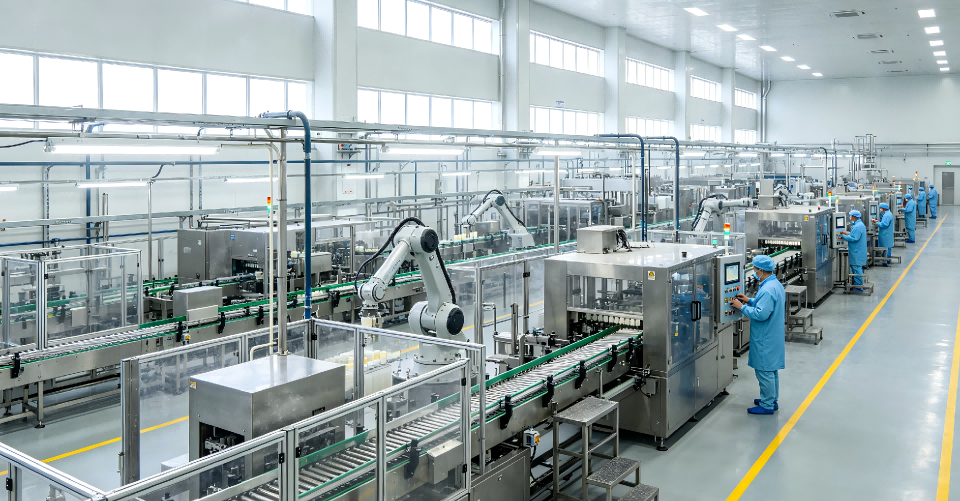
Last month, we spoke with a client from Canada who was about to order $40,000 worth of truck parts. The supplier sent beautiful photos, had a gold badge on Alibaba, and promised delivery in 30 days. There was just one problem: they didn’t exist. They were a trading company with a Photoshopped factory front.
In China sourcing, the biggest risk isn’t the price—it’s the identity. If you pay a deposit to a ghost factory, your money is gone. At Cheapurchase, we conduct 10+ factory audits every week. Here is the exact 5-step checklist we use to verify suppliers before our clients pay a single deposit.
Step 1: The Business License Cross-Check
Every legitimate Chinese company has a Unified Social Credit Code (USCC). This is their DNA.
The Scam: Suppliers give you an old license or a fake one.
The Fix: Ask for their latest business license. Then, go to the National Enterprise Credit Information Publicity System (we can do this for you). Check if the name matches, if the status is "Operating" , and if the scope of business actually includes manufacturing, not just trading.
Pro Tip: If the license says "Trading Co., Ltd." but they claim to own the machines, walk away.
Step 2: The "Live Video" Test (Crucial)
Photos are useless. They can be stolen from anywhere on the internet.
The Scam: Using catalog photos or photos from other factories.
The Fix: Request a live video call via WeChat or WhatsApp. Do not accept a pre-recorded video.
The Script: Ask them to show you three specific things during the call:
The factory entrance gate (Read the signboard aloud).
The production line in action (Look for dust, workers wearing uniforms, raw materials).
The "Today's Date" Test: Ask them to put today’s newspaper next to the machine they claim to own. If they hesitate, they are hiding something.
Step 3: Reverse Image Searching
This is a simple trick that catches 20% of scammers.
The Scam: Stealing images from Alibaba or Google Images.
The Fix: Download the product photos they sent you. Upload them to Google Images or Baidu Images. If the same photo appears on 10 different supplier profiles, you know they are just copying listings. Real factories are proud of their unique molds and will have consistent, high-quality photos of their actual workshop.
Step 4: The "On-the-Ground" Audit
Even if the video looks good, you need physical proof.
The Scam: "We are too busy for a visit" or sending a salesperson to a rented showroom.
The Fix: This is where a local agent (like us) becomes essential. We visit the site physically. We check the electricity meter (high usage = real production), we look at the employee roster, and we check the raw material inventory.
Case Study: Recently, a client wanted to import agricultural machinery. The supplier looked great online. Our agent visited and found the "factory" was actually a small warehouse storing second-hand parts. We saved the client a $25,000 loss.
Step 5: Contract & Payment Terms
Finally, the paperwork.
The Scam: Pressuring you to pay 100% upfront via Western Union or personal bank account.
The Fix: Ensure the contract is stamped with the official Red Company Chop. Never pay a deposit to a personal account. For new suppliers, we often recommend a 30% deposit via T/T (Telegraphic Transfer) to the company's corporate account, with the balance paid against the Bill of Lading (B/L).
Conclusion: Trust, But Verify
Sourcing from China offers incredible value, but only if you know exactly who you are dealing with. Relying on a website or a smooth-talking salesperson is a recipe for disaster.
At Cheapurchase, we act as your eyes and ears on the ground. We don't just find you a supplier; we confirm they actually exist.
Don't gamble with your deposit.