Sourcing Truck Parts in Shandong: Beyond the RFQ
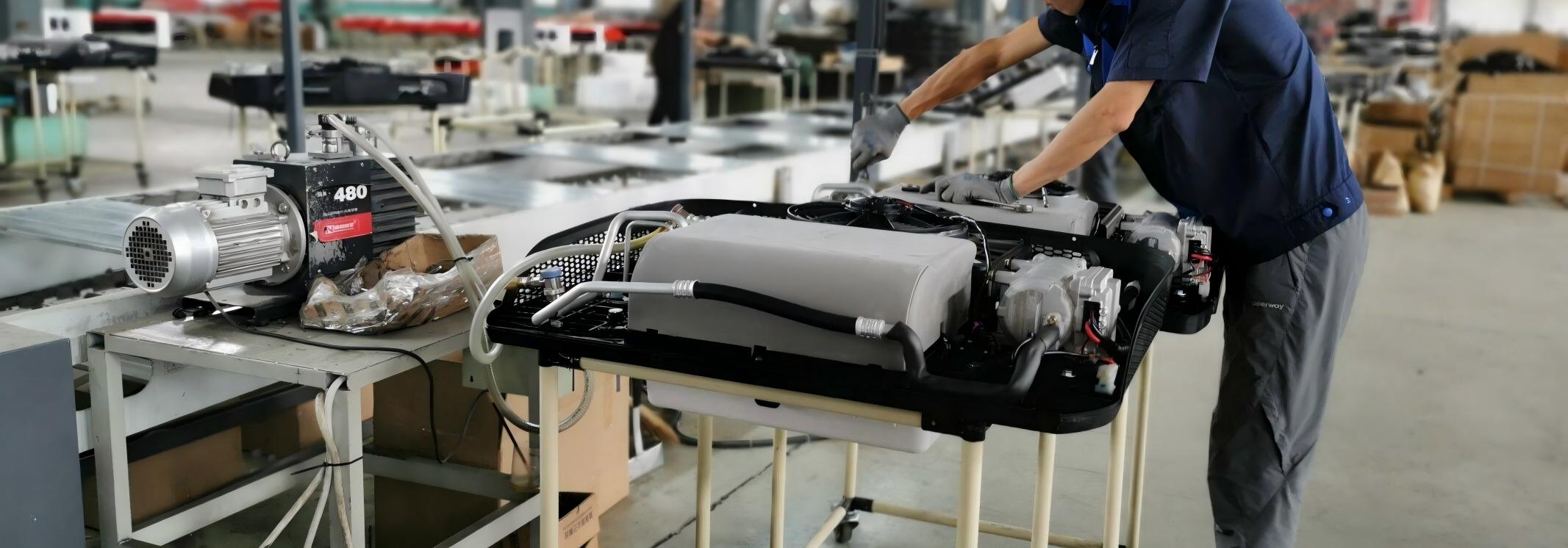
The Shandong Sourcing Scene
If you’ve spent any time sourcing heavy-duty parts, you’ll know that Shandong is the epicenter. It’s where Sinotruk and Weichai are based, and where thousands of suppliers—large and small—operate.
The sheer volume of options is a double-edged sword. On paper, everyone looks competent. The challenge isn't finding a supplier; it's identifying which one actually understands your specs versus the one just trying to win the bid.
Decoding the "OEM" Label
We often see buyers struggling with the "OEM vs. Aftermarket" debate. In practice, it’s less binary and more about tiers.
There is, of course, Genuine OEM—the parts coming straight out of the vehicle maker’s own distribution. Necessary for critical engine internals and electronics where calibration is key.
But there is also a robust market for OE-Equivalent parts. These are produced by legitimate manufacturers who hold the correct tooling and material specs—sometimes even sharing the same parent factory as the OEMs. The quality is comparable, but the pricing is significantly more flexible. This is usually the sweet spot for fleets managing maintenance costs.
The risk lies in the Budget Aftermarket tier. These suppliers often use inferior alloys or skip crucial heat treatment stages to hit a price point. They look identical in a photo but fail prematurely in the field. Telling these tiers apart from a distance is nearly impossible without boots on the ground.
The 5-Step Reality Check
Over the years, we’ve refined a simple verification routine for Shandong suppliers. It’s not glamorous, but it works.
1. The Business License Check
It sounds basic, but you’d be surprised. We look for "Manufacturing" in the business scope, not just "Trading." A registered capital of over RMB 10 million and a multi-year operating history are good indicators of stability.
2. Certifications with Context
IATF 16949 is the gold standard, but we don't just file the PDF. We check the validity and the scope. A certificate for "Rubber Products" doesn't qualify a factory to cast transmission housings. Details matter.
3. The Physical Audit
Photos can be deceiving. We look for signs of actual production: consistent workflow, proper equipment maintenance, and raw material inventory. A factory that looks too clean or only has a showroom is often a red flag.
4. Sample Validation
We always advise sampling before bulk orders. It’s not just about fit; it’s about the metallurgy. We recently reviewed a sample where the casting hardness was simply not up to spec. No amount of machining can fix a bad casting.
5. The Fine Print of Pricing
This is where most budgets fall apart. A low unit price is meaningless if it excludes mold fees, painting, pallets, or export clearance. We insist on a fully itemized breakdown to compare apples to apples.
A Quick Case Study
We had a client looking for gearboxes. One supplier in Qingdao came in 12% below market. The quote looked great until we reviewed the technical datasheet. The heat treatment standard cited was GB/T 3077-1999—a standard that has been superseded for years.
Further checks revealed their "factory" was a small office space. We pivoted to a verified manufacturer in Weifang. The unit price was higher, but the technical specs were current, the factory was legitimate, and the landed cost ended up being more predictable. The client avoided a potential 40-foot container of non-compliant parts.
The Bottom Line
Sourcing in Shandong doesn't have to be complicated, but it does require a healthy dose of skepticism and local knowledge. Understanding the nuances between a legitimate manufacturer and a trading office is where the real savings happen—not just in price, but in avoiding downtime and quality issues.
If you're planning your next RFQ for truck parts and want a clearer picture of who's actually behind the quotes, we're happy to help with the legwork.