Most buyers look at a factory’s answer to “what’s the lead time”
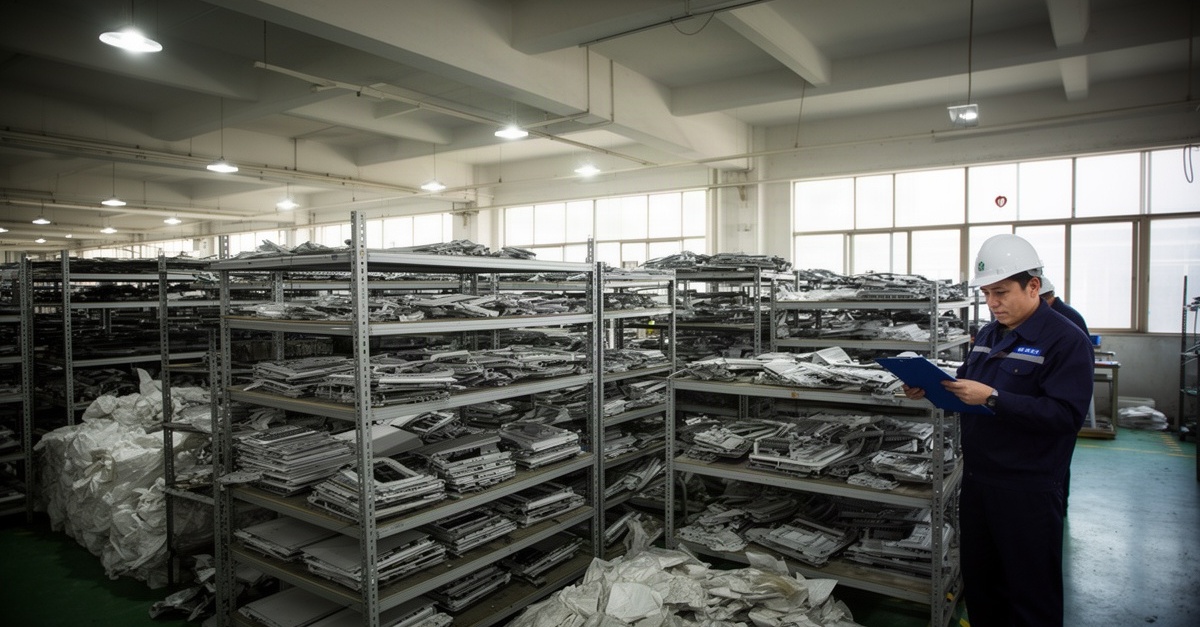
Most buyers look at a factory’s answer to “what’s the lead time” and treat it like a calendar promise. They add production days to the deposit date and start planning the rest from there. In China, that number is usually only one slice of the real timeline, and it starts to look real only after a few other things have gone right.
The first missed piece is material lead time. A factory may quote production days for a spec they have not bought raw material for yet. They wait for your deposit, then ask their own supplier for the raw material, and that supplier has their own delivery window. If the order has custom packaging, a special finish, or a component that is not sitting in stock, the factory often batches that purchase with other orders. Production cannot begin until those items land. Those days before the line starts are not inside the “production” number.
The second missed piece is the back end. After production, the goods need inspection. If the first inspection finds a finish problem or wrong marking, it goes back for rework and then needs another inspection slot. Even when inspection passes, the cargo has to be trucked to the port or airport and clear export customs before a cutoff. Missing that cutoff by a few hours can push the whole shipment to the next vessel or flight. Buyers often add one buffer at the end and think that covers it, but if rework eats that buffer before the truck even leaves, the cutoff is already gone.
Because of that, I tell buyers to get a sequence of dates rather than one lead time: material ready, production complete, inspection window, cargo available, and last cutoff. Whatever the factory says, I would keep the buffer a bit fatter than feels comfortable, split some before inspection and some after, and never assume the last connection will wait. That way one missed finish date does not automatically become a missed sailing.
Logistics itself is not the part I run, but the timing behind it shows up in most sourcing jobs we handle. What we do is push the factory to explain the schedule behind their lead time, run the same request with several factories so you can compare realistic timing and not just unit price, check whether the supplier actually runs the plant, and do remote video factory checks to see the line before you pay. A buyer who sees that full stack before sending a deposit usually calculates a very different arrival date than the one on the first email.
Send us the item and the destination market through the inquiry form and we will run the inquiry for you.